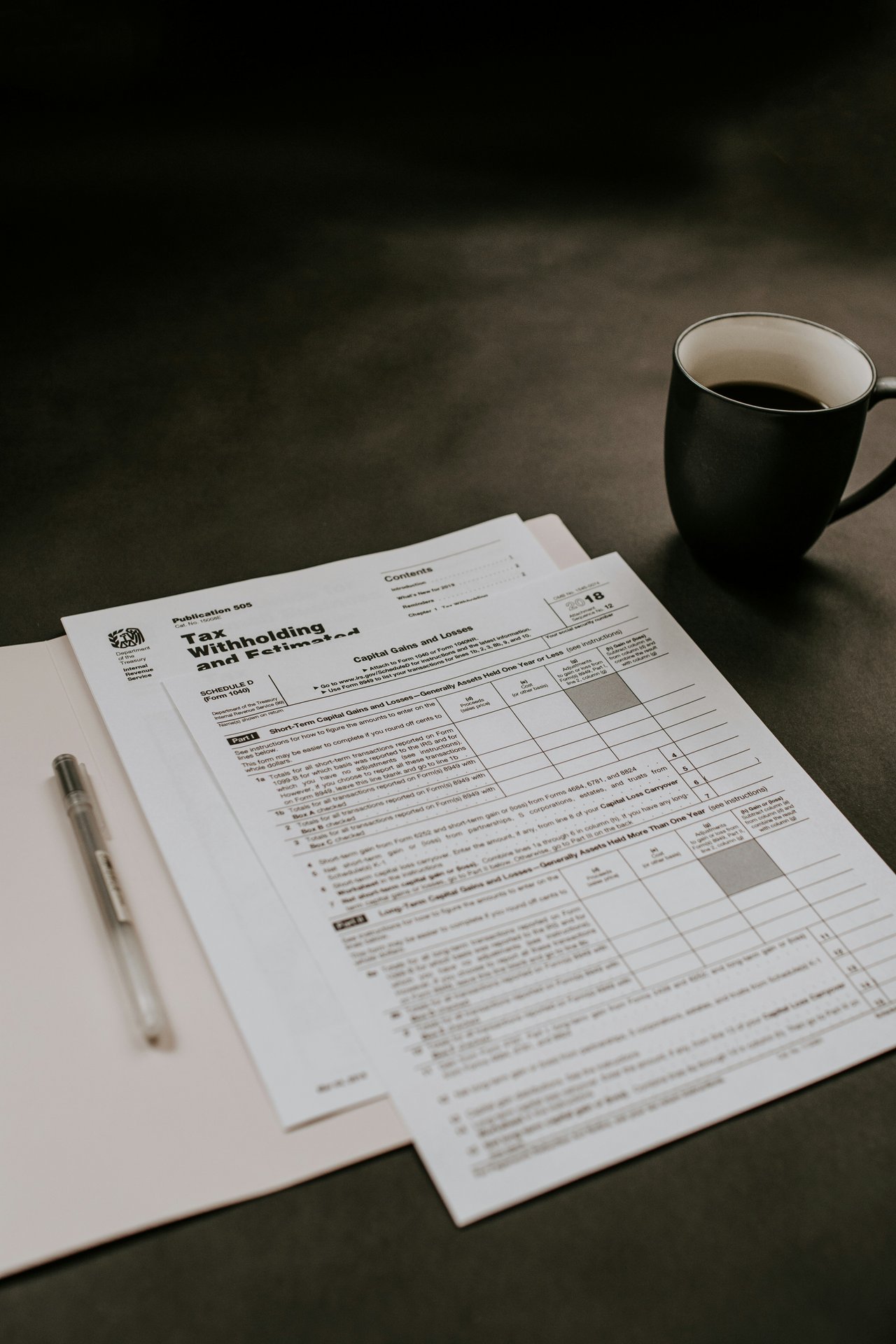
This isn't a real estate post. But if you paid IRS penalties or interest between January 2020 and July 2023, there's a federal court ruling that may entitle you to get that money back, and the window to preserve that right closes on July 10, 2026. As a Utah County real estate team, we share things that affect our clients' financial lives — not just their transactions.
WHAT HAPPENED IN COURT
A federal taxpayer named Mr. Kwong took the IRS to court over a straightforward argument: when the federal government declared a nationwide COVID disaster in January 2020, existing tax law required that all filing and payment deadlines be automatically extended; pushed 60 days past the date the disaster officially ended. The pandemic emergency ended May 11, 2023. That puts the legal deadline at July 10, 2023.
The U.S. Court of Federal Claims agreed with him.
The implication is significant. If tax deadlines were legally extended through July 10, 2023, then penalties and interest the IRS charged for late filing or late payment during that entire period were improper. You may not have actually owed them.
THE CATCH
The federal government has appealed. The IRS is not issuing automatic refunds and won't be anytime soon; this will work through the courts for months, possibly years.
Here's the problem: under normal IRS rules, you have three years from a deadline to request a refund. Because the court set the pandemic deadline at July 10, 2023, your three-year window expires July 10, 2026. If you wait for the appeal to resolve, your deadline will have already passed. Taxpayers who don't file a placeholder claim now will have no recourse; even if Mr. Kwong ultimately wins.
WHAT A PROTECTIVE CLAIM DOES
A protective claim is a legal placeholder. It tells the IRS you may be owed a refund based on the Kwong case and that you're preserving your right before the deadline. Once filed, the IRS holds the request in suspense until the courts reach a final decision. You're not guaranteed anything; you're keeping your seat at the table if taxpayers prevail.
The form is IRS Form 843, filed separately for each applicable tax year. The years at issue are 2019, 2020, 2021, and 2022.
DO YOU QUALIFY?
Look into filing if you can answer yes to either of these:
Did you pay a late-filing or late-payment penalty to the IRS at any point between January 20, 2020, and July 10, 2023?
Did the IRS charge you interest on unpaid or late taxes during that window?
If you're not sure, your IRS account transcript will show your penalty and interest history by year. Your CPA can pull this in minutes.
WHAT TO DO BEFORE JULY 10
Option 1 — Work with your CPA. They can prepare Form 843 for each applicable year. Given the July 10 deadline and expected volume, reach out as soon as possible.
Option 2 — Self-prepare. Form 843 is available at IRS.gov. The IRS Taxpayer Advocate Service has published guidance specific to this situation. If you have clean records of your penalties and interest for 2019 through 2022, this is manageable on your own.
Either way, don't wait.
A NOTE FROM FOUNDRY GROUP
We're not CPAs. This is not tax advice, and you should absolutely confirm your situation with your own tax professional before filing anything. If you don't have a CPA and want a local referral, call us and we'll point you in the right direction.
What we are is a team that pays attention to things that affect your financial life, not just your transaction. A court ruling with a hard deadline that most people will miss quietly felt like exactly the kind of thing we should send your way. If you have questions or need a CPA referral, reach out to Foundry Group; we're happy to help point you in the right direction."
FAQ BLOCK:
What is the Kwong case?
The Kwong case is a federal court ruling by the U.S. Court of Federal Claims holding that the COVID-19 national disaster declaration automatically extended all IRS tax filing and payment deadlines by 60 days past the end of the emergency; pushing the legal deadline to July 10, 2023. The ruling suggests that IRS penalties and interest charged during the pandemic period from January 2020 through July 2023 may have been improper.
Who qualifies to file a protective claim based on the Kwong case?
Anyone who paid a late-filing penalty, late-payment penalty, or interest on unpaid taxes to the IRS at any point between January 20, 2020, and July 10, 2023 may qualify. Check your IRS account transcript or ask your CPA to review your penalty history for tax years 2019 through 2022.
What is the deadline to file a protective claim?
July 10, 2026. This is a hard deadline. The IRS's standard three-year refund window runs from July 10, 2023; the date the court set as the true pandemic tax deadline. Claims not filed by July 10, 2026 cannot be recovered later, even if taxpayers ultimately prevail on appeal.
What is IRS Form 843?
Form 843 is the IRS form used to claim a refund or request abatement of taxes, penalties, and interest. In the context of the Kwong case, taxpayers file Form 843 as a protective claim — one form per tax year; to preserve their right to a refund while the appeal plays out.
Is the Kwong ruling final?
No. The federal government has appealed the ruling to a higher court. The IRS is not issuing automatic refunds and is holding protective claims in suspense until the legal process concludes. Filing a protective claim now preserves your rights if taxpayers win the appeal; it does not guarantee a refund.
Should I file a protective claim on my own or use a CPA?
Either is possible. IRS Form 843 is publicly available at IRS.gov, and the Taxpayer Advocate Service has published guidance on this situation. If you're comfortable with IRS paperwork and have your penalty records organized, self-preparation is reasonable. If you're uncertain about your eligibility or want someone to handle it for you, a local CPA is the safer path given the hard deadline.