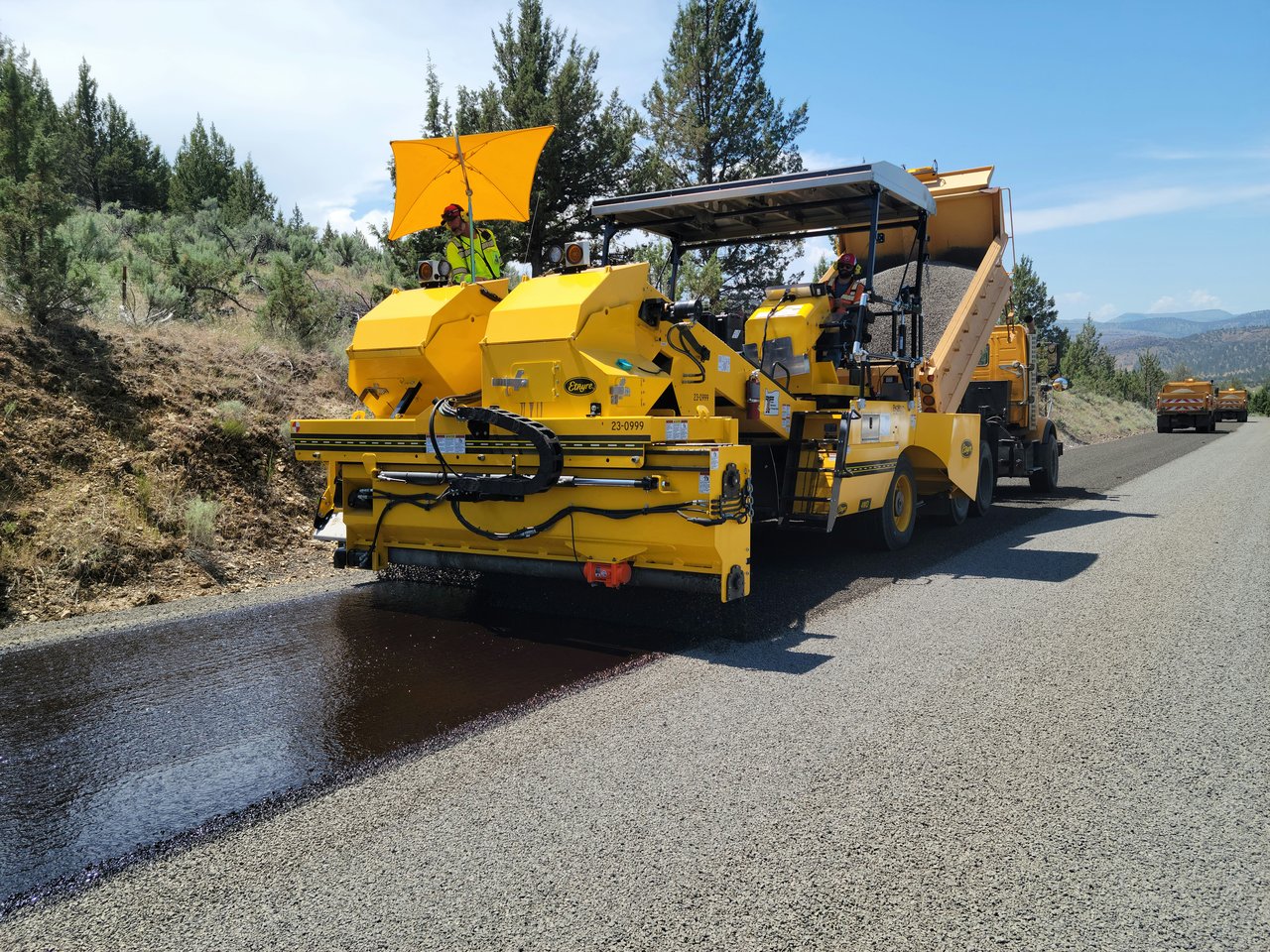
If you drive US-6 through Spanish Fork Canyon regularly, whether for work, weekend trips, or hauling a trailer over to central Utah, you've probably already noticed the construction. UDOT is in the middle of an $87.8 million safety project that's been years in the making, and it's worth understanding what's actually happening before you plan your next trip through the canyon.
What's Actually Being Built
The project covers two major pieces of work. The first is widening US-6 from Chicken Hollow to Tie Fork, roughly milepost 189.5 to 201.4, taking the road from two lanes up to five, with new acceleration and deceleration lanes tying into Sheep Creek Road. The project also flattens some of the sharper curves between milepost 195 and 197 to improve sight lines, a stretch that's historically seen more than its share of crashes.
The second piece is a grade-separated crossing at Thistle Junction, where US-6 meets US-89. Instead of the current at-grade intersection, the design keeps US-6 at its current elevation while lowering US-89 to pass underneath, removing one of the more dangerous intersection conflicts on the route.
Timeline
The widening project between Chicken Hollow and Tie Fork began construction on January 5, 2026, and is expected to run through 2027. The Thistle Junction grade separation is anticipated to begin construction in late spring 2026, with both projects expected to wrap up in 2027.
What This Means for Your Commute
During construction, several segments of US-6 are being reduced to one-way alternating traffic during daytime hours, generally 7 a.m. to 7 p.m. on weekdays, which can mean delays of up to 15 minutes depending on when you're traveling. UDOT has historically paused heavy construction work around major travel weekends to ease holiday congestion, so timing matters if you're planning a trip through the canyon around a holiday.
If you commute through this stretch regularly, building in extra time during weekday work hours through 2027 is worth planning for now rather than being caught off guard later.
Why This Project Matters Beyond the Commute
This isn't a one-off project. Over the past two decades, the Utah Legislature and Transportation Commission have allocated more than $148 million toward safety improvements on US-6, and UDOT currently has more than $110 million additional programmed for near-term safety work between Spanish Fork and Helper. This corridor has been a long-standing priority specifically because of its crash history, and this current project is one more piece of a sustained, multi-year effort rather than an isolated fix.
For anyone weighing whether to live in Spanish Fork, Salem, or elsewhere in south Utah County with regular canyon travel in their commute calculation, a safer, higher-capacity US-6 is a meaningful long-term factor, even if the construction itself is a short-term headache.
Frequently Asked Questions
When will the US-6 widening project between Chicken Hollow and Tie Fork be finished?
Construction began January 5, 2026, and is expected to conclude in 2027.What is changing at Thistle Junction?
The intersection of US-6 and US-89 is being converted into a grade-separated crossing, with US-89 lowered to pass underneath US-6, removing the current at-grade intersection.How much delay should I expect during construction?
UDOT estimates delays of up to 15 minutes during weekday work hours, generally 7 a.m. to 7 p.m., due to lane reductions and one-way alternating traffic on some segments.Why is US-6 being widened?
The corridor has a significant crash history, and this project is part of a broader, decades-long safety investment aimed at widening lanes, improving sight lines, and separating conflicting traffic movements.Will construction affect holiday travel through the canyon?
UDOT has historically paused heavy construction work around major travel weekends, though it's worth checking current conditions before any holiday trip through the canyon.How much has UDOT invested in US-6 safety overall?
More than $148 million has been allocated over the past two decades, with the current $87.8 million project and more than $110 million in additional near-term safety work also programmed for the broader Spanish Fork to Helper corridor.
This article is for general informational purposes only and reflects publicly available information at the time of writing. It is not legal, tax, or financial advice. Market data, development proposals, and city decisions can change, so confirm current information with relevant sources and consult qualified professionals for advice specific to your situation.