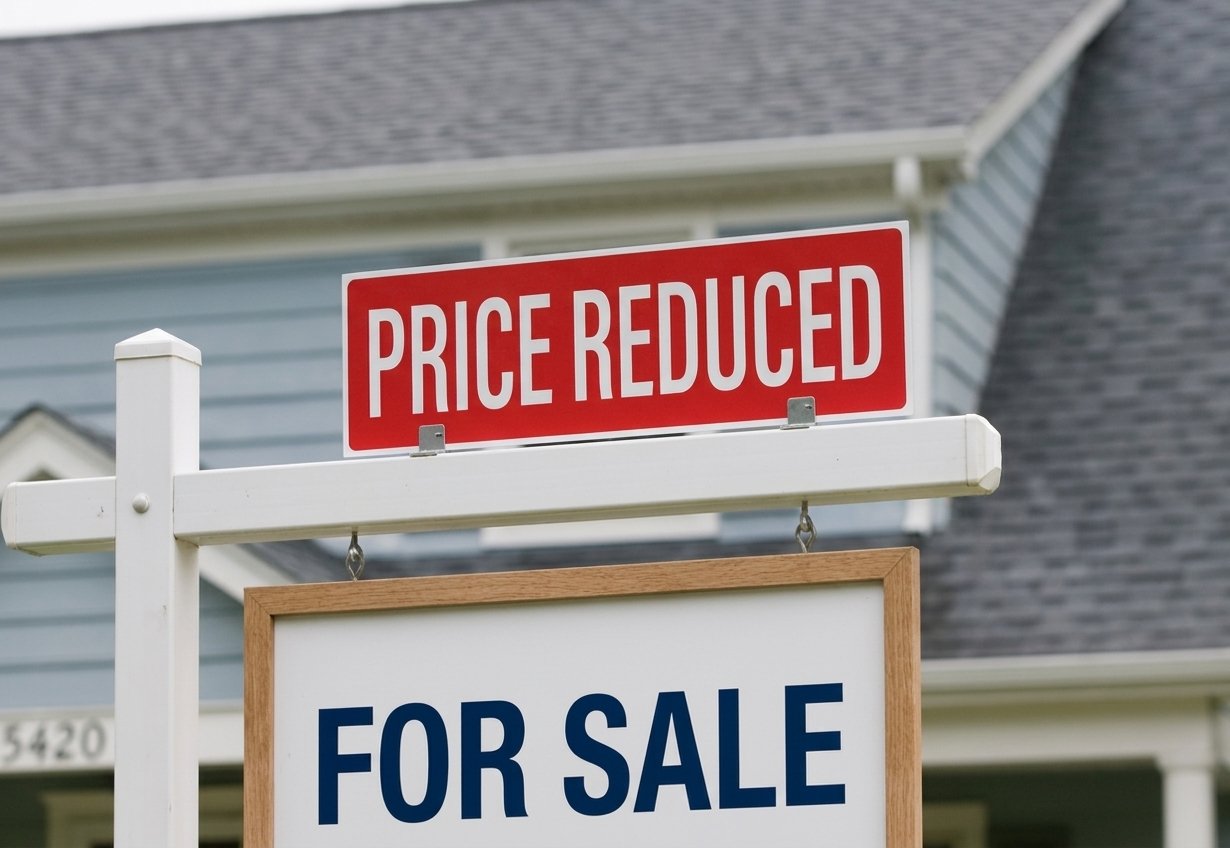
More Utah sellers are lowering their asking prices than at any point this year. The Salt Lake Tribune reported on October 12 that in mid-July, between 9% and 12% of active Wasatch Front listings were priced below their original ask. By September 1, that share had jumped to between 18.2% and 24.6% across five counties, including Utah County. All five counties ranked in the top 10 nationally for the biggest increase, out of 388 counties analyzed, and Utah County was seventh. Prices haven’t collapsed. Median sold prices rose year over year in 11 of 16 Utah County cities in September. But sellers who priced for last spring’s market are adjusting, and the ones who priced correctly from the start are avoiding it.
I’d rather you hear this from us before you list than from the market after. Here’s what’s driving it, and how to avoid being one of the sellers cutting their price.
What’s Behind the Price Cuts
According to the Tribune, the president of the Utah Association of Realtors said sellers are using price to stand out because buyers are being more selective. A few things are happening at once:
A spring that stalled. The market typically picks up in late winter and spring, and this year it started in February and then stalled amid the Iran war and economic uncertainty. That left homes that would normally have sold in May and June still on the market in July and August.
Higher rates. The 30-year fixed average was 7.40% on October 15, up from 6.27% a year earlier. Buyers are hesitating, and some sellers don’t want to give up a lower rate of their own.
Competition from builders. Sellers of existing homes are up against new construction, where builders are offering significant concessions. We covered that in our post on Utah County starter homes and builder incentives.
Expectations. Some sellers feel they’ve earned their equity and don’t want to give any of it up, or they price based on what they need to net. Buyers don’t price a home that way. They price it based on what similar homes have sold for.
What Our Own Numbers Show
In September 2026, the median Utah County home sold for as little as 92.3% of its list price in Alpine and as much as 101.5% in Eagle Mountain. In Pleasant Grove and Cedar Hills, the median home listed at $632,325 and sold at $596,000, about 5.7% below the asking price. In Eagle Mountain, Saratoga Springs, Santaquin, Orem and Payson, homes sold at or above list.
Homes also took longer to sell than a year earlier in 12 of 16 cities. You can see every city in our September 2026 Utah County market report.
That’s the pattern we keep seeing: the market isn’t punishing homes, it’s punishing prices. A home priced to match what buyers are actually paying is still selling. A home priced for last spring’s market is the one getting reduced.
What a Price Cut Really Costs
The cut itself is only part of it. A price reduction means your home has been on the market long enough that buyers can see the history, and every month it sits costs you. If your mortgage, taxes, insurance and utilities add up to $3,000 a month, a home that sits four months has cost you $12,000 before you negotiate a dollar. That’s an example, and your number will be different, but the math is real.
Interest is also usually strongest in the first couple of weeks, when a listing is new to every buyer watching the market. If you miss that window, you’re competing against your own listing history.
How to Avoid Being One of Them
Price to closed sales, not to your equity or your goal. Look at what comparable homes near you actually sold for in the last 90 days, not what active listings are asking. Our guide on how to read a comparative market analysis walks through how to tell a realistic price from a flattering one.
Account for new construction. If builders near you are offering rate buydowns or price cuts, buyers will compare your home with those offers.
Consider concessions instead of a lower price. The Tribune reported that agents are advising sellers to cut the price or mimic new construction with money toward closing costs. With rates above 7%, a contribution toward a rate buydown can make a monthly payment work better than the same dollars off the price. Our post on how to negotiate when selling in Utah County goes through the math.
Prepare the home before you list. A clean, repaired home shows better and avoids the first round of buyer objections. Start with our pre-listing checklist.
Be flexible. Showing availability and a closing date that works for the buyer make your listing easier to say yes to.
Agree on a plan before you list. Decide with your agent ahead of time how long you’ll wait before reviewing the price, so you’re not making the decision under stress later.
If Your Home Is Already Sitting
Compare your days on market with your city’s median. In September 2026, median days on market ranged from 20 in Salem, where new construction drove the number, to 79 in Mapleton, and most cities landed between about 35 and 57. If you’re well past your city’s median and showings have slowed, the market is giving you feedback.
When you adjust, a cut that’s too small to change the picture, like a couple thousand dollars, tends to add a “reduced” tag without bringing in new buyers. Decide whether you need a meaningful price change, a concession, or a reset, which might mean taking the home off the market and relisting in the spring. Our post on whether to list this fall or wait for spring covers that tradeoff.
The Honest Part
You may not get what a neighbor got last spring, and what you need to net isn’t a number buyers care about. That’s hard to hear. But sellers who price to today’s market are still selling. If you’re thinking about listing and want an honest read on where your home should be priced, reach out to our team. We’ll pull the closed sales near you and give you a range, even if it’s not the number you were hoping for.
Frequently Asked Questions
Are Utah sellers cutting prices right now?
Yes. The Salt Lake Tribune reported that by September 1, between 18.2% and 24.6% of active listings across five Wasatch Front counties, including Utah County, were priced below their original asking price, up from between 9% and 12% in mid-July.
Does a price cut mean Utah home values are falling?
Not necessarily. Median sold prices rose year over year in 11 of 16 Utah County cities in September 2026. Price cuts mostly reflect sellers adjusting to a market that’s slower and more selective than last spring.
Why are Utah sellers lowering their prices?
Higher mortgage rates, a spring market that stalled, builders offering concessions on new homes, and buyers who are more selective. Some sellers also priced their homes based on what they needed to net, not on what similar homes sold for.
How do I avoid a price reduction when I sell?
Price your home based on recent closed sales near you, not on active listings or your equity. Prepare the home before listing, be flexible on showings and closing, and agree on a review plan with your agent before the home goes live.
Is it better to cut my price or offer a concession?
It depends on your buyer and your numbers. With rates at 7.40%, a contribution toward closing costs or a rate buydown can make a monthly payment work better than the same amount off the price. Compare offers by what you net.
When should I reduce my asking price?
Compare your days on market with your city’s median. In September 2026, medians ranged from 20 days in Salem to 79 in Mapleton, and most cities fell between about 35 and 57. If you’re well past your city’s median and showings have slowed, it’s time to review your price.
Is it better to wait until spring to sell?
It can be if your home needs work or you’re in a slower city, but waiting adds carrying costs. We cover the tradeoffs in our post on listing this fall or waiting for spring.
Citation sources below:
https://www.sltrib.com/news/2026/10/12/utah-home-prices-five-counties-saw/
https://www.globenewswire.com/news-release/2026/10/15/3381991/0/en/mortgage-rates-hold-steady-at-7-40.html
https://kutv.com/news/local/higher-mortgage-rates-squeeze-utah-buyers-as-builders-offer-incentives
This article is for general informational purposes only and reflects publicly available information at the time of writing. It is not legal, tax, or financial advice. Market data, development proposals, and city decisions can change, so confirm current information with relevant sources and consult qualified professionals for advice specific to your situation.