Every team I've ever encountered has said some version of the same thing: we put our agents first. It's on the website. It comes up in recruiting conversations. It sounds good because it should be true.
The problem is that most of the time, it isn't.
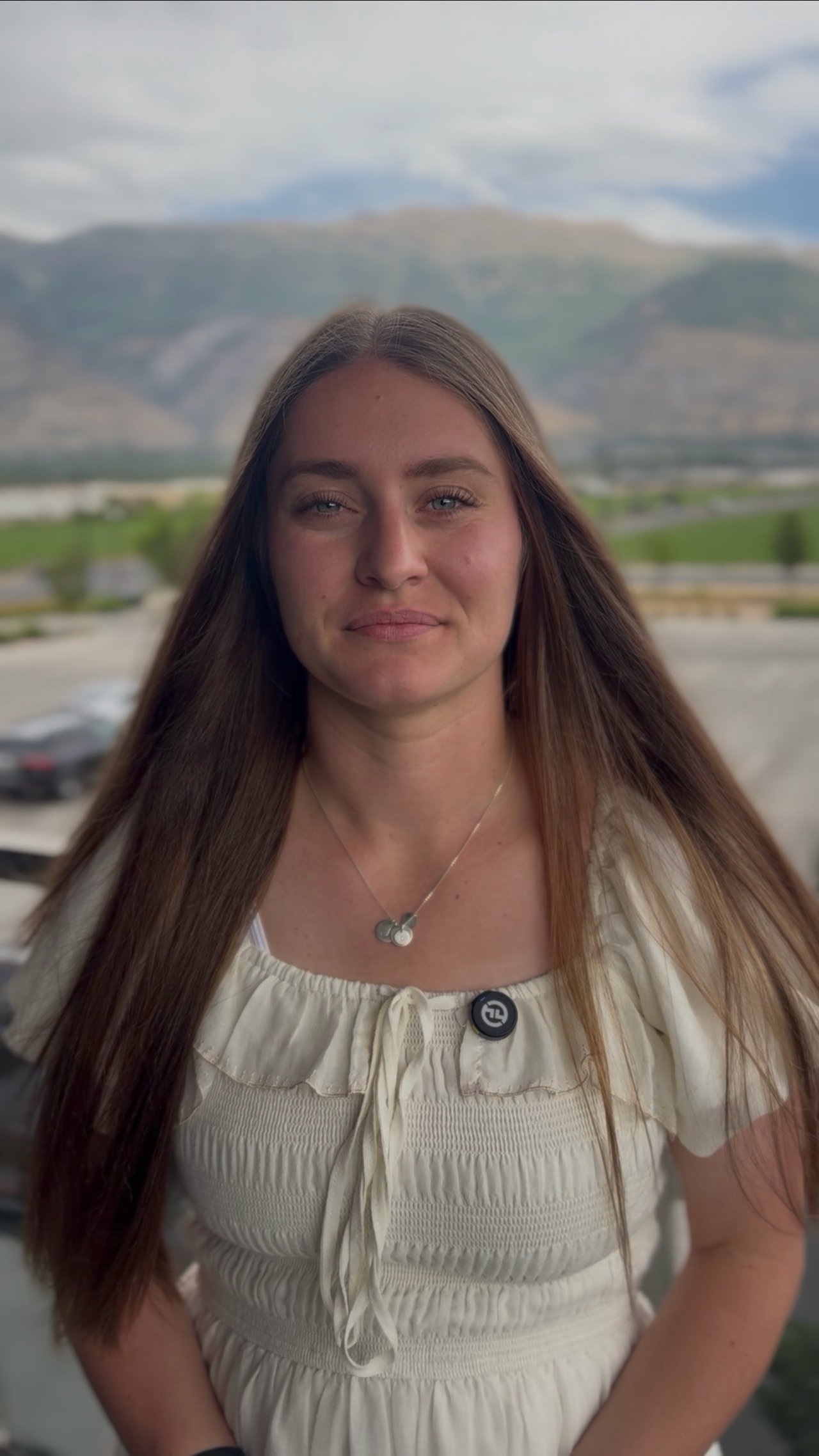
I've spent ten years in real estate. I grew up watching this industry from the inside; my dad is a broker and agent, which means I didn't just stumble into this career. I came into it with a real picture of how a team could function and what it looked like when it didn't. I helped build the Wilde Team a decade ago, built it, ran it, and learned more than I expected along the way.
And the thing I kept seeing, over and over, wasn't agents thriving in systems designed for them. It was agents surviving in systems designed around something else entirely — production numbers, split structures, head count — while being told that the system was there for them.
Clients felt it too, even if they couldn't name it. An agent stretched too thin across too many files, without infrastructure to grow behind them, eventually shows up differently in front of a client than an agent who's fully supported.
That's what Foundry was built to change.
What "agent-first" actually means at Foundry
It doesn't mean free leads and a logo. It means we built the infrastructure before we recruited the agents.
The transaction system, the operations layer, the onboarding process; those existed before we asked anyone to join. We didn't build Foundry and then figure out the support structure later. The support structure is what Foundry is built on. Agents joining us aren't walking into a promise. They're walking into something that already works.
It also means we recruit for values before we recruit for production. The agents at Foundry aren't here because they hit a certain number. They're here because they care about their clients the way we do, they operate with integrity, and they want to be part of something that's actually trying to do this well. A team of five agents who share a mission serves clients better than a team of twenty who don't.
That's not a recruiting pitch. It's the reason Foundry is small on purpose.
What clients get when agents are actually supported
An agent who isn't juggling 200+ transaction tasks across multiple files in their own head is a different agent in a showing. They're present. They're not distracted by what they might have forgotten. They're not half-managing a crisis on another file while walking through a kitchen with you.
We built the operations layer specifically so our agents can be that agent. The transaction coordination, the deadline tracking, the document routing; that runs through the system. The relationship, the negotiation, the judgment calls; those stay with the agent. That's the division that produces a different client experience, and it's not something you can fake with a tagline.
Why I wanted to lead with values, not volume
Ten years in, I've watched what happens to teams that optimize primarily for production. Some of them are very successful by the metrics that matter on a ranking list. Some of them also have high agent turnover, clients who feel like transaction numbers, and a culture that runs on pressure rather than purpose.
I didn't want to build that. I wanted to build something I'd actually want to be part of as an agent; something where the people around me cared about the same things I did, where the infrastructure actually made my job better instead of just making the team look bigger, and where a client could trust that whoever they worked with on our team had been carefully chosen rather than just added to a roster.
Foundry is still relatively new. We're not the biggest team in Utah County and we're not trying to be. What we're trying to be is the team where agents do their best work and clients get their best experience; and where those two things are connected, because they always are.
If that sounds like the kind of team you've been looking for, reach out to Foundry Group. We're always open to an honest conversation.
FAQ
Why did McKelle Siebert start Foundry Group?
McKelle started Foundry after a decade in real estate, including helping build the Wilde Team, during which she kept seeing the same pattern: agents operating in systems that weren't built for them, which ultimately affected the quality of service clients received. Foundry was built specifically to correct that; with real infrastructure in place before recruiting began, and a deliberate focus on agents who share the same values and mission.
What makes Foundry Group different from other real estate teams in Utah County?
Foundry was built infrastructure-first. The transaction system, operations support, and onboarding process were in place before agents were recruited. Agents at Foundry aren't promised support; they work inside a system that already provides it. The team is also intentionally small, recruiting for values and mission alignment rather than production volume alone.
How does McKelle Siebert's background in real estate inform how she leads Foundry?
McKelle grew up watching the real estate industry from the inside, her father is a broker and agent. She helped build the Wilde Team ten years ago, which gave her direct experience with what works in a team environment and what doesn't. Foundry reflects what she learned from that decade about what agents actually need to serve clients well.
How long has McKelle Siebert been in real estate?
McKelle has been in real estate for ten + years, with a background that goes back further through her father's career as a broker and agent.
Does Foundry Group recruit experienced agents or new agents?
Both, depending on fit. What Foundry recruits for first is values and mission alignment. An experienced agent who operates with integrity and genuinely cares about client outcomes is a strong candidate. So is a newer agent who shares those values and wants to learn inside a well-built system. Production history matters less than the kind of agent someone is.
How does Foundry Group's agent support actually affect the client experience?
When agents aren't managing every transaction task themselves across multiple files, they show up differently in front of clients. They're more present, less distracted, and better able to focus on the relationship and the negotiation rather than the logistics. Foundry's operations layer was built specifically to create that separation, so the agent's full attention stays on the client, not the paperwork.