Draper sits at the Point of the Mountain; the geographic pinch point where the Wasatch Front narrows between two mountain ranges and Salt Lake County meets Utah County. With a population of approximately 52,000, it is the southern anchor of Salt Lake County's premium residential market and the northern gateway to Utah County's Silicon Slopes corridor simultaneously.
Two things define Draper's identity more than anything else: trails and tech. Corner Canyon's 150-plus miles of world-class single-track and fire roads are directly accessible from residential streets in the east-side neighborhoods. And Silicon Slopes employers (Adobe, Microsoft, Ancestry, and dozens of others) sit within a short drive of most Draper addresses. For professionals who mountain bike before work and code for companies reshaping the tech industry, Draper is the city that was built for them.
The Draper Housing Market in 2026
Draper's market data comes from Salt Lake County MLS records rather than the WFRMLS Utah County dataset used for our other neighborhood pages. The most reliable current figures:
According to Best Utah Real Estate's MLS-sourced data, homes that closed in Draper in May 2026 sold at a median of $758,500, achieving 99.8% of final list price and going to contract in a median of 8 days. The Q1 2026 median across 111 closed transactions was $900,000, with sales ranging from $311,000 in central Draper to $3.6 million on the high end. The average exceeded $1 million, reflecting the pull of Suncrest and Hidden Valley custom homes at the top of the market.
The June 2026 market data shows a meaningful shift toward balance: active inventory reached 189, up from 83 in February, while closings slipped to 31; producing a months-of-supply reading of 6.1, above the 4-month balanced-market threshold. The sale-to-list ratio eased to 97.77% in June, the softest reading in six months. Nine of 31 June closings required a price cut before going under contract.
What this means practically: well-priced homes in desirable Draper neighborhoods still move quickly. Overpriced homes are sitting longer as buyers exercise more selectivity. Sellers in Draper right now need current-comp pricing within their specific neighborhood segment — not the citywide median and not last year's comparable sales.
For a Draper-specific market analysis, reach out to Foundry Group.
Draper's Neighborhoods: A Wide Price Spectrum
Draper has one of the widest price ranges of any city along the Wasatch Front, and the neighborhood matters as much as the city when evaluating a specific property.
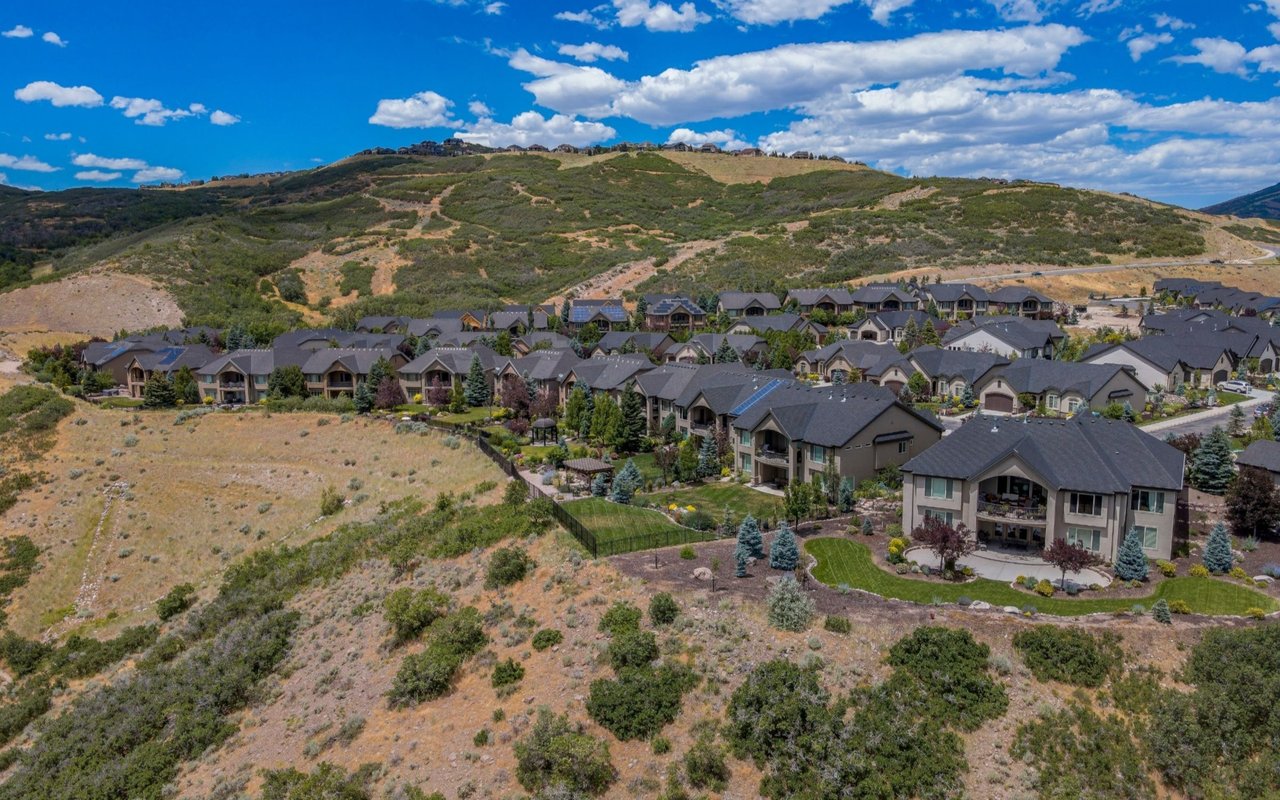
SunCrest is the flagship; a 3,900-acre master-planned community perched atop Traverse Ridge with 360-degree panoramic views of both Salt Lake Valley and Utah Valley, including Mount Timpanogos and Utah Lake. Homes in SunCrest range from the mid $600,000s to well over $2 million for custom builds. The winding access road and winter driving conditions are real considerations worth experiencing before purchasing. SunCrest straddles the county line, so address verification determines whether a specific home is in Canyons School District (Salt Lake County) or Alpine School District (Utah County).
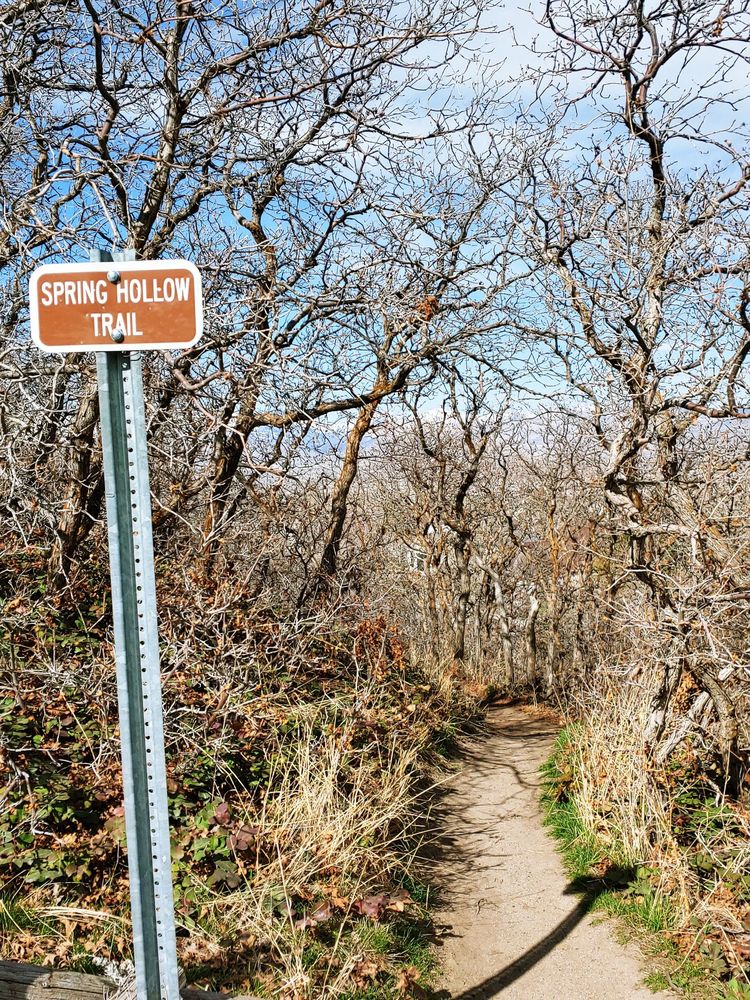
Corner Canyon is Draper's outdoor gem; homes near the trailhead have direct access to one of the most extensive and well-maintained trail systems on the Wasatch Front, with 150-plus miles of mountain biking and hiking trails accessible from residential streets. This is a genuine daily-life amenity for active buyers, not just a marketing claim.
South Mountain on the east bench offers luxury homes with canyon views, a golf course, trails, an outdoor amphitheater, an equestrian center, and a pool; a true master-planned community with a premium lifestyle package at prices that reflect it.
Bellevue is Draper's luxury enclave, with homes hovering around $1.6 million on wide, open streets with Draper City Park as a neighborhood amenity.
Central Draper and the Draper Parkway corridor offer more accessible entry points, with condos and newer townhomes in the $311,000 to $500,000 range serving buyers priced out of the premium neighborhoods.
The Point Development Next Door
The Point is a $2.3 billion master-planned community currently under construction on the former Utah State Prison site at the Point of the Mountain. Phase I broke ground June 29, 2026, and includes a 5,000-seat event center, a 363-unit residential complex, a walkable retail district, and a planned University of Utah Health campus. The River District phase will eventually deliver approximately 800 to 900 owner-occupied homes.
For Draper buyers, The Point adds amenity value at the city's northern edge; a walkable retail and entertainment destination minutes from most Draper addresses, and introduces new supply that will compete with existing Draper inventory over a multi-year buildout. Understanding The Point's timeline and how it affects specific Draper neighborhoods requires a current, specific conversation rather than a general assessment.
Schools: Two Districts Depending on Your Address
This is the most important school-related detail for Draper buyers: the city straddles the Salt Lake and Utah County line, and the school district depends on which side of that line your specific home sits.
Homes in the Salt Lake County portion of Draper — the majority of the city — are served by Canyons School District. Corner Canyon High School, opened in 2013, is the flagship in-city public high school and consistently ranks among Utah's top public high schools for AP programming, academics, and athletic excellence. Alta High School in adjacent Sandy serves portions of northwest Draper.
Homes in the Utah County portion of Draper — including portions of SunCrest — are served by Alpine School District, which feeds into different elementary, middle, and high school assignments.
Address verification is mandatory before purchasing in Draper if school district matters to your decision. Do not assume based on city name alone.
Private options in and near Draper include Juan Diego Catholic High School, American Preparatory Academy, and Waterford School in Sandy, considered one of Utah's best private high schools.
Trail Access: The Real Differentiator
Corner Canyon's 150-plus miles of trails are world-class by any measure; not just for Utah, but nationally recognized among mountain biking destinations. Single-track, fire roads, and hiking trails accessible directly from neighborhoods like Corner Canyon and South Mountain make this a genuine daily-life amenity that meaningfully affects quality of life for active residents.
Draper also has the Loveland Living Planet Aquarium, South Mountain Golf Course, Draper City Park, and the trail network that collectively make it one of the more outdoor-recreation-rich cities along the Wasatch Front at any county.
The Commute Reality
The Point of the Mountain is both Draper's geographic identity and its primary commute challenge. I-15 through the Point during peak hours is the most congested stretch in Utah, particularly in the northbound morning rush toward Salt Lake City and the southbound evening rush from Salt Lake County back toward Utah County.
Off-peak drive times from central Draper: Silicon Slopes employers in Lehi, 10 to 20 minutes south. Sandy and South Jordan, 10 to 15 minutes north. Salt Lake City downtown, 20 to 30 minutes north. Provo and BYU, 30 to 40 minutes south.
Drive your actual commute route at your actual commute time before purchasing, particularly if you're commuting daily to Salt Lake City. The off-peak numbers above are not the peak-hour experience through the Point of the Mountain.
Working With Foundry Group in Draper
Draper's wide price spectrum and county-line complexity; school districts, tax rates, and emergency services differ by which side of the line a property sits on, make it a market that rewards working with agents who know the specific details rather than the general picture.
We work with buyers and sellers across the Point of the Mountain corridor, including Draper, and can help you understand how a specific Draper address compares to alternatives in Highland, Alpine, or Lehi before you commit to one side of the county line. If you are buying, selling, or investing in Draper and want a clear-eyed conversation, reach out to Foundry Group.
Frequently Asked Questions About Living in Draper, Utah
What is the median home price in Draper, Utah in 2026?
Homes that closed in Draper in May 2026 sold at a median of $758,500, achieving 99.8% of final list price and going to contract in a median of 8 days, according to Best Utah Real Estate's MLS data. The Q1 2026 median was $900,000 across 111 transactions, reflecting the heavy custom-home component in SunCrest and Hidden Valley. The range is wide; from $311,000 in central Draper to $3.6 million on the high end. By June 2026, rising inventory and softer demand had pushed the sale-to-list ratio to 97.77%, its softest reading in six months.
What county is Draper, Utah in?
Draper primarily sits in Salt Lake County, with a portion of the city — including parts of SunCrest — crossing into Utah County. This matters for school districts, property taxes, and emergency services. Homes in the Salt Lake County portion are served by Canyons School District; homes in the Utah County portion are served by Alpine School District. Always verify which county a specific Draper address falls in before purchasing.
How are Draper schools?
The majority of Draper is served by Canyons School District, with Corner Canyon High School as the primary in-city public high school. Corner Canyon consistently ranks among Utah's top public high schools for AP programming, academics, and athletics since opening in 2013. Portions of Draper in Utah County are served by Alpine School District with different school assignments. Private options include Juan Diego Catholic High School and Waterford School in Sandy. Always verify which school district a specific address is in before purchasing.
What is The Point development and how does it affect Draper?
The Point is a $2.3 billion master-planned community under construction on the former Utah State Prison site at the Point of the Mountain, immediately north of central Draper. Phase I broke ground June 29, 2026, and will include a 5,000-seat event center, residential units, walkable retail, and a future University of Utah Health campus. The eventual River District phase will add approximately 800 to 900 owner-occupied homes. For Draper buyers, The Point adds nearby amenities and introduces new supply that will compete with existing Draper inventory over a multi-year buildout.
What is Corner Canyon and why is it significant for Draper buyers?
Corner Canyon is Draper's trail system; 150-plus miles of mountain biking and hiking trails directly accessible from residential streets on Draper's east side. It is considered one of the best urban trail systems along the Wasatch Front and a nationally recognized mountain biking destination. For active buyers who want trail access woven into daily life rather than reserved for weekend trips, homes near Corner Canyon carry a genuine lifestyle premium that is reflected in their pricing.
This article is for general informational purposes only and reflects publicly available information at the time of writing. It is not legal, tax, or financial advice. Market data, school district assignments, development timelines, and city conditions can change, so confirm current information with relevant sources and consult qualified professionals for advice specific to your situation.
Last updated: July 2026. We refresh this data quarterly. For a current market analysis on a specific Draper property, reach out to Foundry Group.
SOURCE CITATIONS FOR THIS PAGE:
https://bestutahrealestate.com/utah/draper
https://bestutahrealestate.com/utah/draper/market-stats
https://www.redfin.com/city/5189/UT/Draper/housing-market
https://www.homie.com/draper-utah-housing-market-2026-point-of-the-mountain-prices-schools-and-the-silicon-slopes-commute/
https://krisbowen.com/draper/
https://wasatchmovingco.com/blog/moving-to-living-in-draper-ut/
https://www.nickirealestate.com/neighborhoods/draper
https://www.nickihomes.com/blog/sandy-vs-draper-utah-which-is-better
https://suncrestlifestyle.com/lifestyle
https://www.homes.com/local-guide/draper-ut/
https://thepointutah.org/developmentpartner